Loading...
Menu
Trending Products
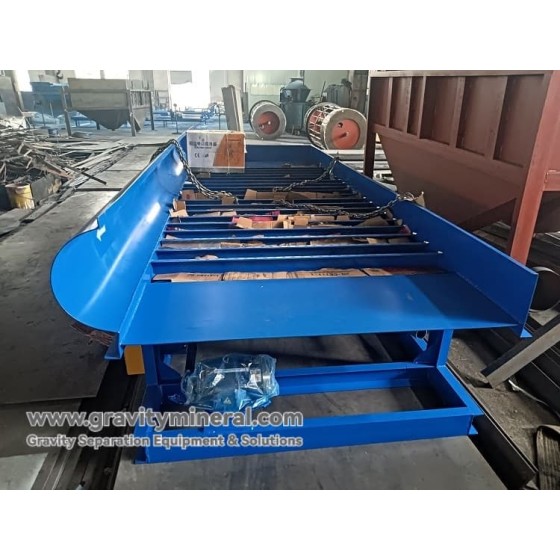
Vibrating Chute
Vibrating Chute
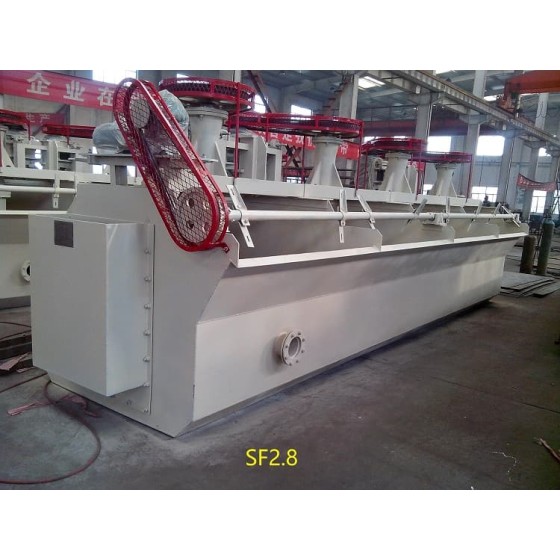
SF type flotation machine
BF type flotation machine
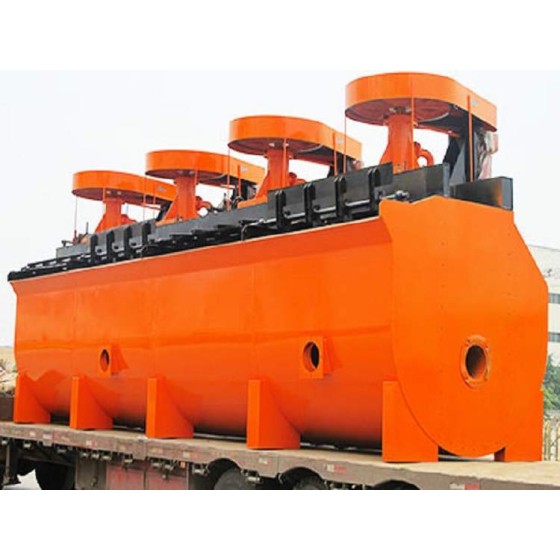
BS-K type flotation machine
XCF-KYF type flotation machine
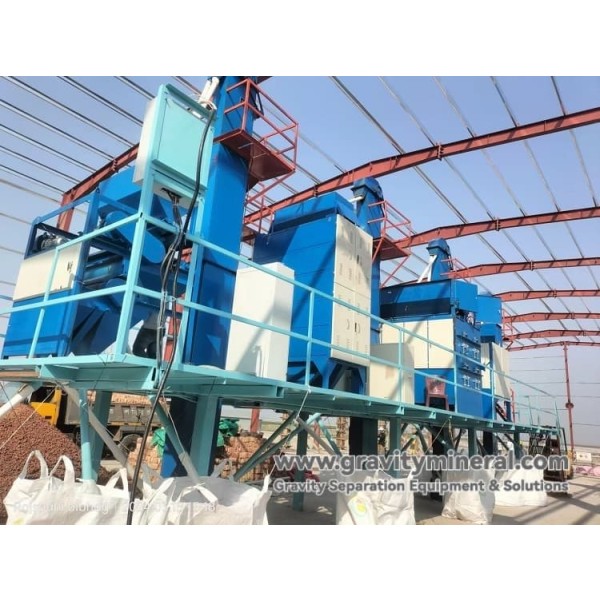
Zircon Sand Beneficiation Solution (Gravity + Magnetic + Electrostatic Separation)

Produce premium ≥65% ZrO2 Zircon concentrate from beach and river sands. Turnkey EPC solutions utilizing gravity, magnetic, and electrostatic separation.


We provide free proposals and quotes 24/7.

Feel free to contact us via WeChat/WhatsApp: +8619914754015

Submit your inquiry, and we will provide you with a professional solution.

Model: {{ product.model }}
weight: {{ product.weight }} Kilogram

{{ variable.name }} : {{ variable.values[selectedVariantsIndex[variable_index]].name }}

{{ value.name }}
Product Inquiry

Zircon Sand Beneficiation Solutions (Gravity + Magnetic + Electrostatic)

Zircon sand is a highly valuable, dense, non-magnetic, and non-conductive mineral primarily found in seashore and river alluvial deposits. Because it is almost always naturally blended with other heavy minerals (like ilmenite and rutile), achieving commercial-grade purity requires a sophisticated, multi-stage processing approach.

GravityMineral offers a high-efficiency combined processing plant centered on a "Wet Gravity Roughing + Dry Magnetic Separation + Electrostatic Purification" flowsheet. By systematically isolating the Zircon based on its density, lack of magnetism, and electrical insulation properties, this turnkey EPC solution consistently yields a premium, market-ready Zircon Sand Concentrate (ZrO₂ ≥ 65%) with an exceptionally high recovery rate.

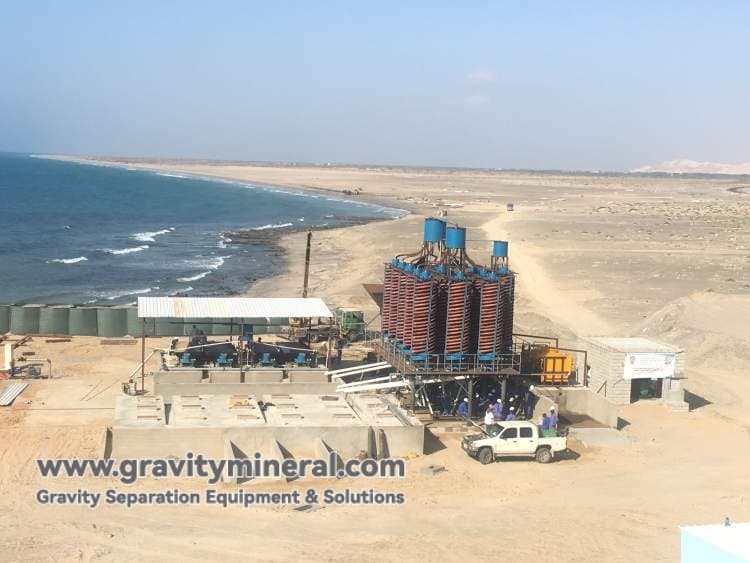
Heavy mineral sand spiral chute concentrator for zircon sand processing

The 3-Stage Zircon Extraction Flowsheet

Our flowsheet is engineered to process fine-grained sands (0.1 - 0.5mm), focusing on high-volume waste rejection followed by ultra-precise dry sorting.

Stage 1: Wet Roughing & Gravity Enrichment

This stage is designed to discard barren silica sand and produce a mixed heavy mineral concentrate.

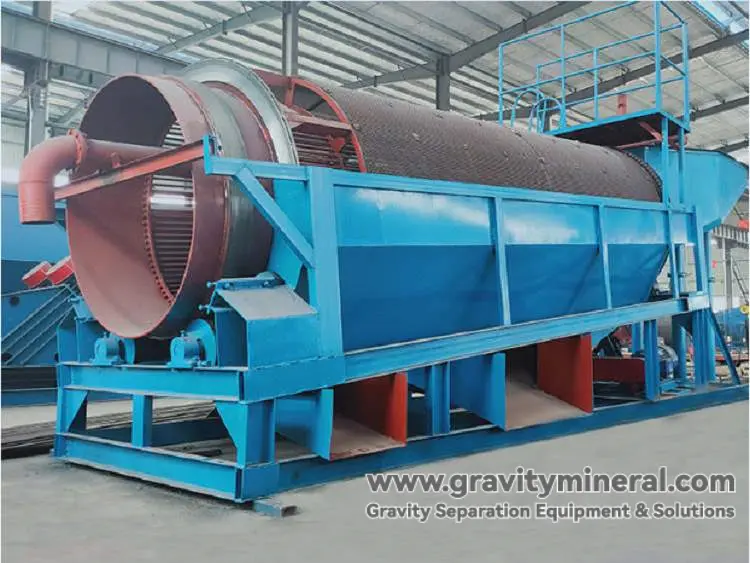
  • Screening: Raw sand is fed via silo through a Trommel Screen (2-5mm aperture) to classify the material and remove oversized roots, shells, and gravel.
  • Spiral Roughing: The under-screen slurry (30-40% concentration) is pumped to Fiberglass Spiral Chutes for roughing and sweeping, initially enriching the heavy black sand.
  • Wet Magnetic Iron Removal: The gravity concentrate passes through a Wet Magnetic Separator (1200-8000 Gauss) to immediately extract highly magnetic minerals like magnetite and coarse ilmenite.
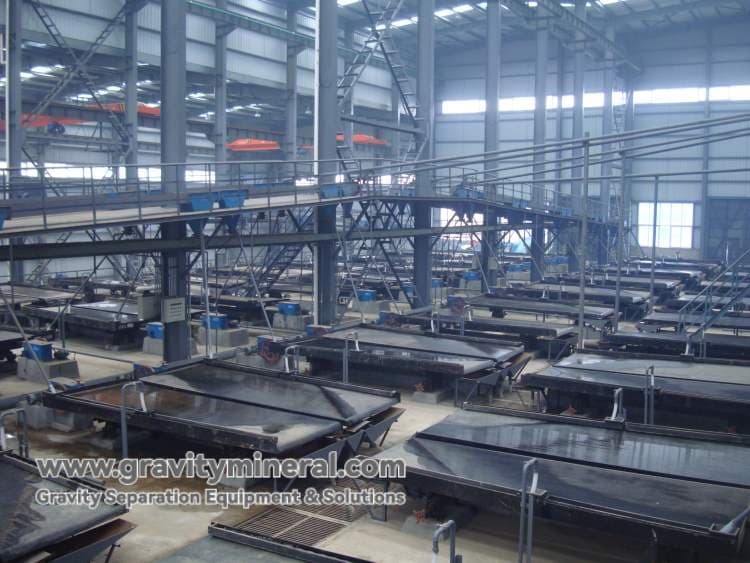
  • Shaking Table Selection: The remaining sand is processed over 6-S Shaking Tables to produce a clean, coarse Zircon sand concentrate (ZrO₂ 50-55%) ready for drying.
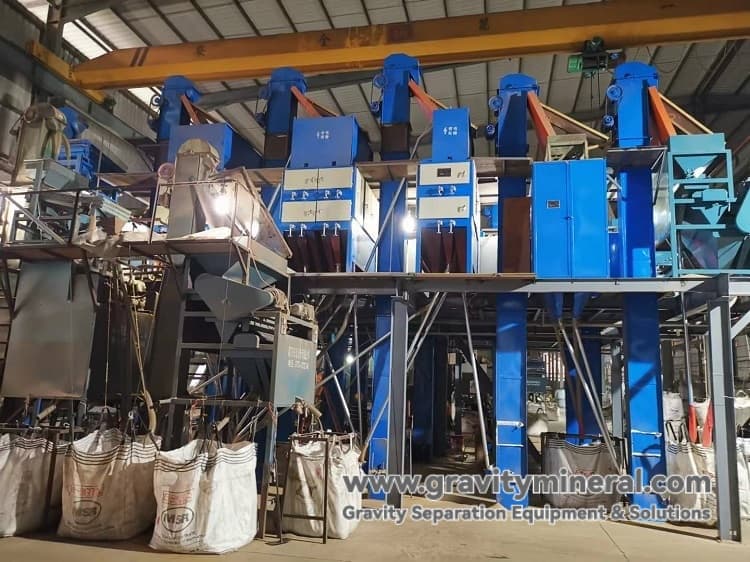
Wet gravity enrichment stage for zircon sand using shaking tables Installation of zircon sand processing plant and equipment

Stage 2: Dry Concentration & Electrostatic Purification

This is the precision phase where the Zircon is isolated from remaining heavy minerals like Rutile and Monazite.

  • Drying: The wet concentrate is passed through an Indirect Rotary Dryer. The sand must be bone-dry for the downstream electrostatic fields to work properly.
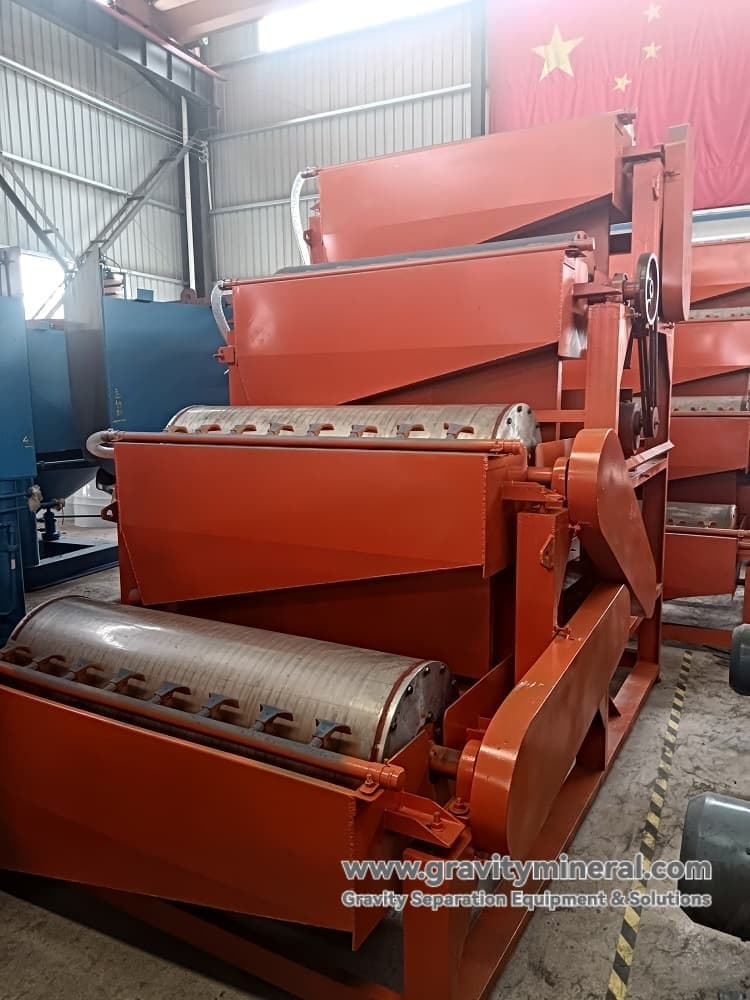
  • Dry Magnetic Sweeping: The dry sand passes over Permanent Magnetic Drum Separators to sweep out any remaining weakly magnetic impurities (Monazite/Garnet).
  • High-Voltage Electrostatic Separation: The purely non-magnetic product enters the Electrostatic Separator. Because Rutile is a conductor and Zircon is an insulator, the electrical field cleanly forces the Zircon out of the mix.
  • Final Polish: An Arc Plate Electrostatic Separator (or a highly specialized Zircon Magnetic Separator) is used for a final polish, guaranteeing the ZrO₂ ≥ 65% grade.

Stage 3: Tailings & Water Recycling

Because this process uses zero chemicals, process water from the wet section is recycled via thickeners at a rate of > 90%. Dewatered tailings are safely stockpiled or used for coastal backfill, strictly adhering to environmental protection requirements.

Core Equipment Configuration

Process Segment Core Equipment Technical Characteristics
Wet Screening Tumbler Trommel Screen Multi-layer screen, highly wear-resistant and anti-clogging.
Wet Gravity Fiberglass Spiral Chute Corrosion-resistant; high volume, powerless sorting efficiency.
Wet Magnetic Separation Permanent Magnet Cylinder Separator Adjustable field strength to immediately remove strong magnetic iron.
Wet Separation 6-S Shaking Table Precision sorting to elevate concentrate grades to 50-55% ZrO₂.
Conditioning Rotary Dryer High thermal efficiency with precise temperature control (80-120°C).
Dry Magnetic Separation Permanent Magnet Drum Separator Extracts weakly magnetic impurities like Garnet and Monazite.
Electrostatic Purification High Voltage Electrostatic Separator Precise separation of conductive Rutile from non-conductive Zircon.
Fine Selection Arc Plate Electrostatic Separator Final removal of trace impurities to ensure ≥ 65% ZrO₂ purity.

Target Technical Indicators & Advantages

  • Plant Processing Capacity: 10 to 600 t/d (Modular design, highly customizable).
  • Final Zircon Concentrate Grade: ZrO₂ ≥ 65%.
  • High-Efficiency Sorting: The synergistic combination of Gravity + Magnetic + Electrostatic sorting results in recovery rates significantly higher than any single process alone.
  • Environmental Compliance: Green production with zero chemical additives and a >90% water recycling utilization rate.

Frequently Asked Questions (FAQ) About Zircon Processing

Q1: Why is Zircon sand so difficult to separate?

A: Zircon (Zirconium Silicate) almost always occurs alongside Rutile and Ilmenite in nature. Because Zircon and Rutile have almost identical specific gravities (around 4.2 - 4.7), they cannot be separated by gravity shaking tables. Furthermore, neither mineral is magnetic, so magnetic separators fail as well. The only way to split them is by exploiting their electrical properties: Rutile conducts electricity, while Zircon is an insulator. This requires a highly specialized Electrostatic Separator.

Q2: Why must the sand be processed through magnetic separators before entering the electrostatic circuit?

A: Ilmenite (Iron Titanium Oxide) is a heavy mineral that is both magnetic and highly electrically conductive. If you send Ilmenite directly into an electrostatic separator, its conductivity will disrupt the high-voltage electrical fields required to separate the Rutile and Zircon. Therefore, we must use Dry Magnetic Separators to strip the Iron/Ilmenite out of the sand first, leaving a clean, non-magnetic Rutile/Zircon mix for the electrostatic machines.

Global Project Installations & Commercial Products

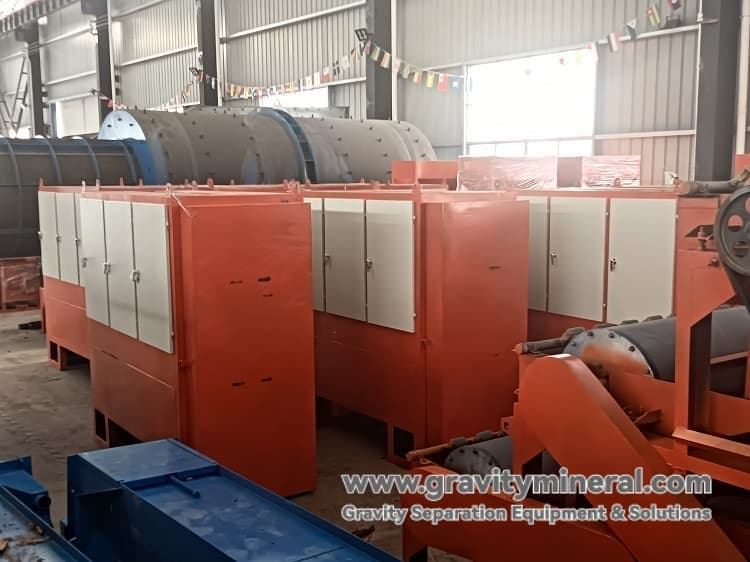
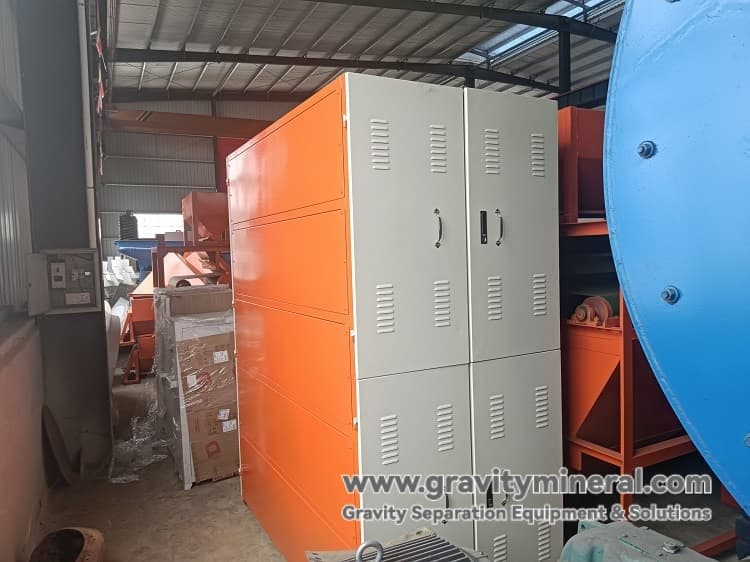
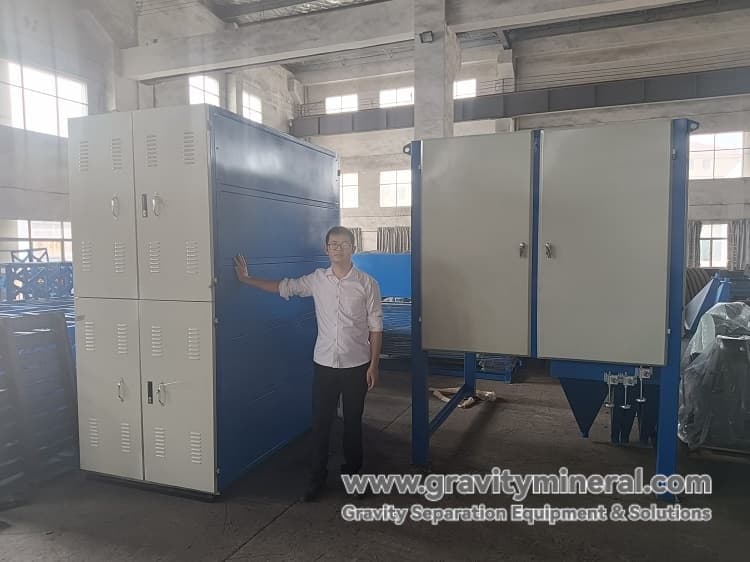
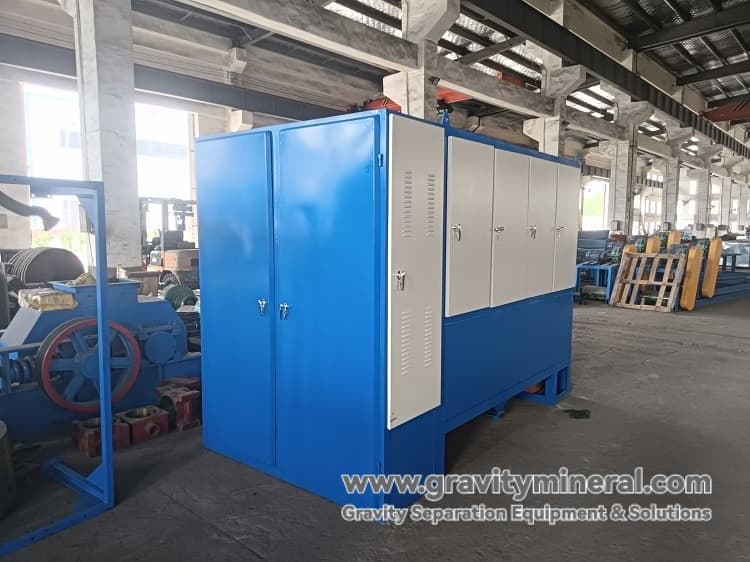
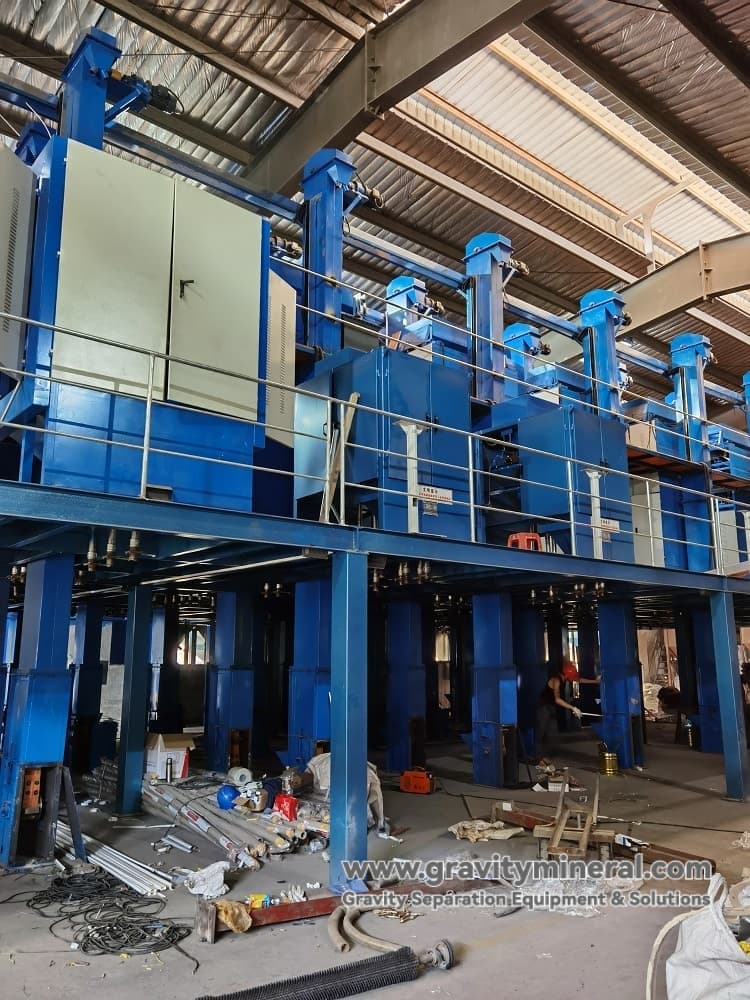
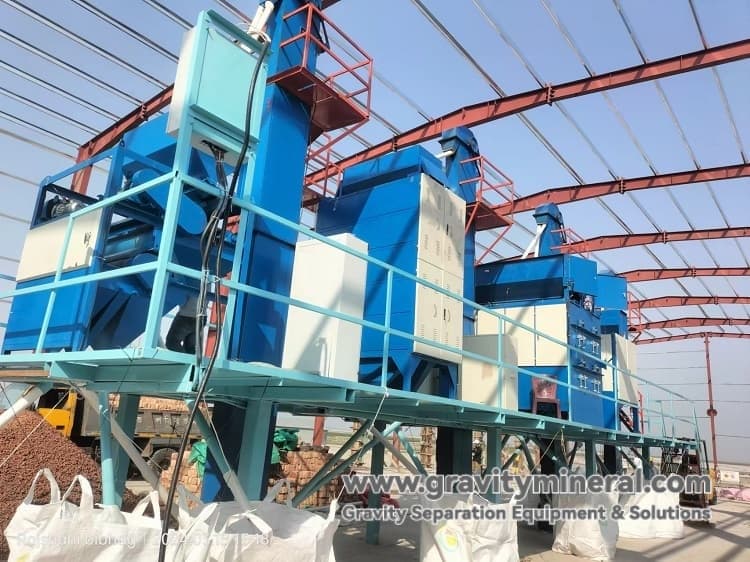
Final zircon sand commercial concentrate High purity zircon sand concentrate produced via electrostatic separation Zircon sand extraction plant commercial product output Multiple grades of heavy mineral sand concentrates Zircon sand processing equipment operation Dry magnetic separation equipment in a zircon plant Electrostatic separators working in parallel for zircon purification Zircon sand gravity separation tables in operation Turnkey EPC installation of a zircon sand processing plant

End-to-End Zircon Plant Engineering Services

GravityMineral provides professional, economical, and highly reliable turnkey solutions for Zircon Sand beneficiation projects worldwide. Our full-cycle EPC services include:

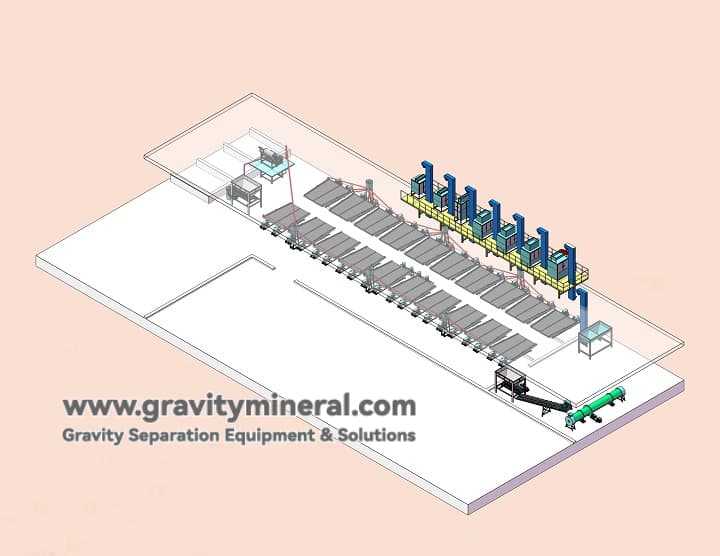
  • Process Design: Customized flowsheet configurations, site layout planning, and 3D drawing design based on your specific deposit.
  • Equipment Manufacturing: Supply of the complete suite of wash equipment, magnetic separators, and high-tension electrostatic arrays.
  • Installation & Training: On-site engineers to guide installation, tune electrostatic parameters, and train your operators.

Contact our technical team today to receive a customized Zircon Sand plant layout and equipment quotation.

CONTACT US

To find out more about our products and solutions, please fill out the form below and one of our experts will get back to you shortly.

Nginx server needs to configure pseudo-static rules, click View configuration method