Loading...
Menu
Trending Products
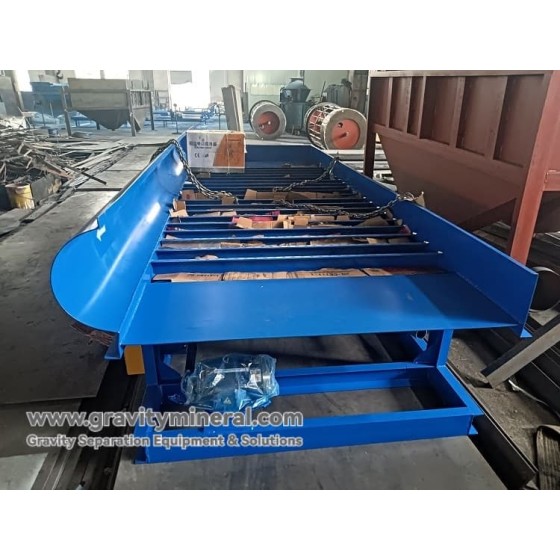
Vibrating Chute
Vibrating Chute
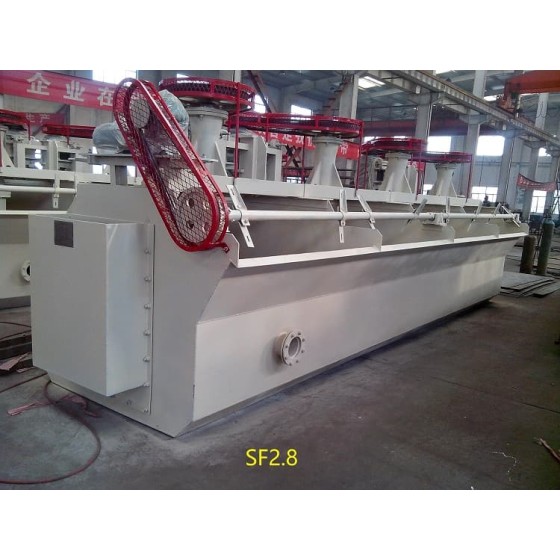
SF type flotation machine
BF type flotation machine
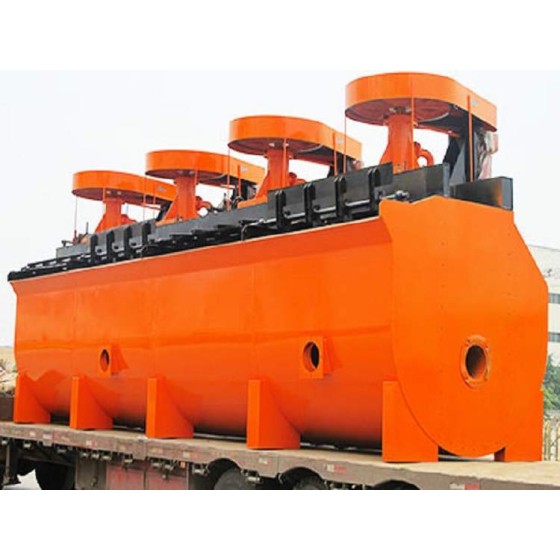
BS-K type flotation machine
XCF-KYF type flotation machine
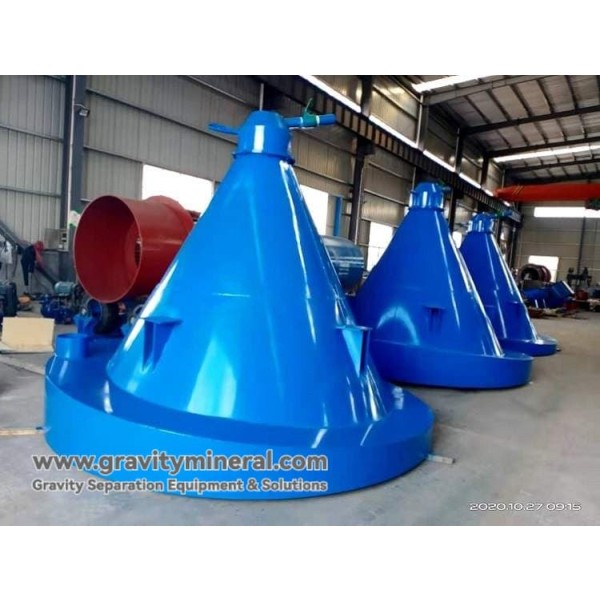
Cone Classifier

Efficiently deslime and thicken mineral slurry with our Cone Classifier. Features zero power consumption, no moving parts, and fine classification down to 75μm.


We provide free proposals and quotes 24/7.

Feel free to contact us via WeChat/WhatsApp: +8619914754015

Submit your inquiry, and we will provide you with a professional solution.

Model: {{ product.model }}
weight: {{ product.weight }} Kilogram

{{ variable.name }} : {{ variable.values[selectedVariantsIndex[variable_index]].name }}

{{ value.name }}
Product Inquiry

High-Efficiency Cone Classifier & Desliming Hopper

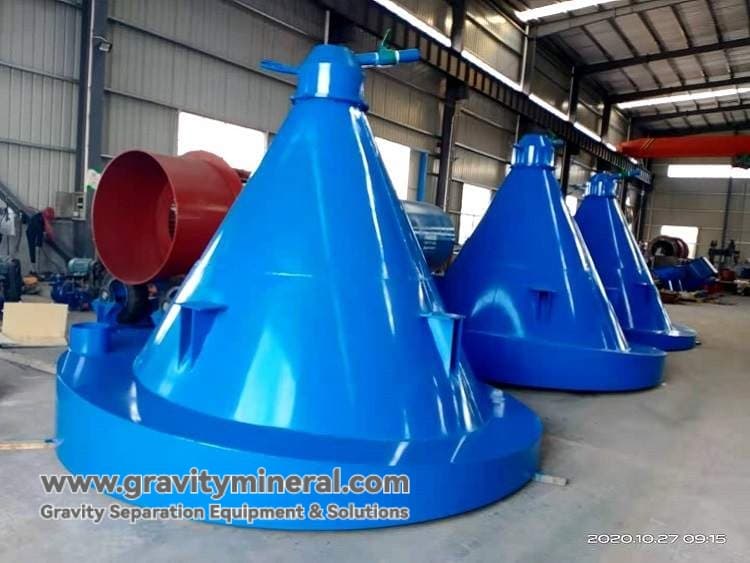
The Cone Classifier, commonly known as a Desliming Hopper, is one of the most cost-effective pieces of equipment in a mineral processing plant. Utilizing a simple inverted conical design, it relies entirely on fluid dynamics and gravity to classify, deslime, and thicken mineral slurries.

Because it requires zero power and has no moving parts, this Hydraulic Classifier offers an incredible return on investment with virtually nonexistent operating and maintenance costs. It plays a critical role in hydraulic classification, acting as a pre-treatment buffer to remove excess water and useless slime (ultra-fine clay) from the ore.

By controlling the slurry concentration and removing interfering slimes, our Slurry Thickener significantly improves the processing efficiency and recovery rates of downstream equipment, such as Shaking Tables, Spiral Chutes, and Flotation Machines.

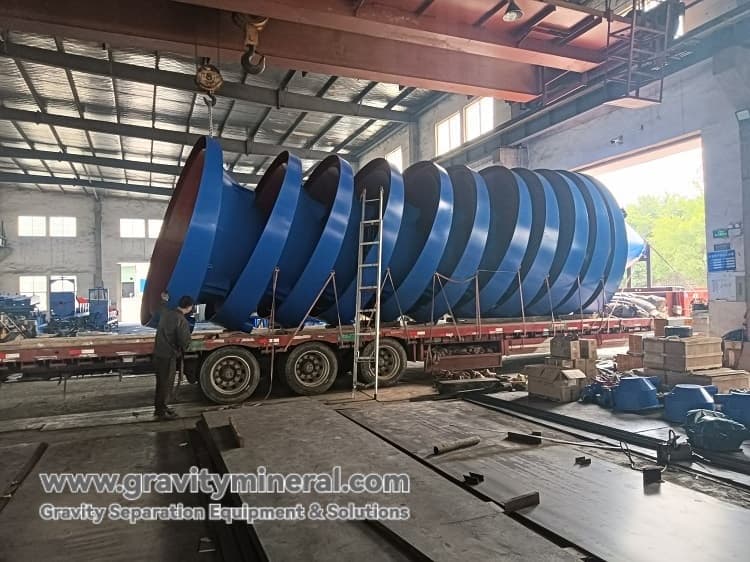
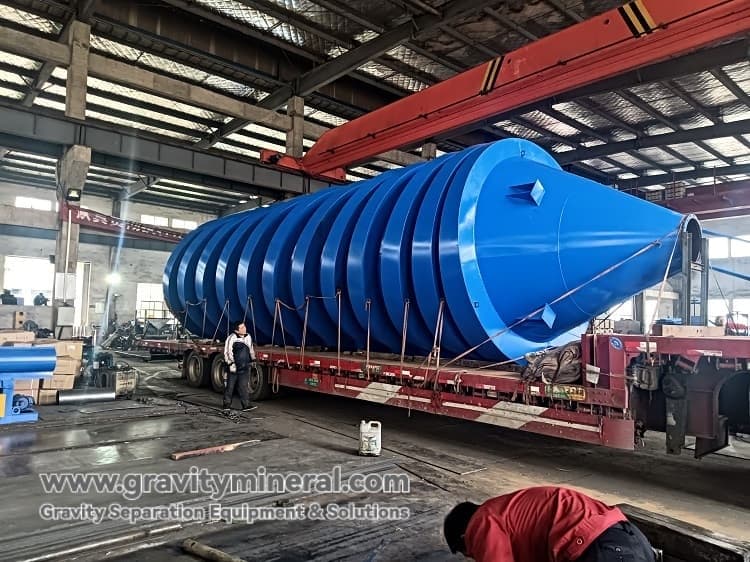
Industrial Cone Classifier and Desliming Hopper for mineral processing

Core Advantages of Our Hydrocone Classifier

  • Zero OPEX (Operating Expense): It operates entirely on gravity and fluid pressure. With no motors, belts, or moving parts, the energy consumption is zero, and maintenance is essentially limited to occasional cleaning.
  • Fine Classification: Capable of achieving highly precise, fine grading sizes down to 75μm or less, ensuring ultra-fine slimes are effectively separated from valuable granular ore.
  • 3-in-1 Functionality: It simultaneously performs three critical tasks: classifying (separating coarse from fine), desliming (washing away clay/mud), and thickening (reducing the water content of the underflow).
  • Surge Capacity: The large volume of the inverted cone acts as an excellent buffer tank, providing stable, steady feed conditions to downstream separation equipment even if the upstream flow fluctuates.

How a Cone Classifier Works

The principle is based on the differential settling velocities of particles in a fluid medium.

  1. Slurry Feeding: The liquid slurry is fed into the central feeding cylinder (often tangentially to create a gentle cyclone effect).
  2. Buffer & Diffusion: The slurry hits the bottom edge of the feeding cylinder, buffering its velocity, and then diffuses radially outward toward the cone walls.
  3. Sedimentation (Underflow): Heavier, coarser mineral particles overcome the upward flow of water and settle at the bottom of the inverted cone, forming a thickened "sedimentary sand."
  4. Overflow Discharge: Lighter, ultra-fine particles (slimes) and excess water cannot settle and are pushed upward, discharging over the lip into the peripheral overflow launder.
  5. Sediment Discharge: The thickened, deslimed coarse ore is discharged through the bottom spigot (sand discharge port), ready for the next processing stage.
Desliming hopper overflow weir and central feeding cylinder

Application Areas in Mineral Processing

  • Gravity Separation Prep: Removing sticky slimes that would otherwise interfere with the settling of heavy minerals on Shaking Tables.
  • Flotation Circuits: Controlling slurry concentration (thickening) to ensure the ideal solid-to-liquid ratio enters the flotation cells.
  • Grinding Circuits: Acting as a primary classifier to quickly separate finished fines before they enter a Spiral Classifier or hydrocyclone.
  • Tailings Treatment: Preliminary thickening and dewatering of waste slurry before it is pumped to tailings ponds.

Technical Specifications

Below are the standard parameters based on the diameter of the cone. Custom sizes can be manufactured based on your plant's volume requirements.

Parameter φ1000 φ1500 φ2000 φ2500 φ3000
Settling Area (m²) 0.75 2.0 3.0 4.9 7.0
Volume (m³) 0.27 0.83 2.27 4.0 7.0
Discharge Pipe Dia. (mm) φ25 φ40 φ50 φ60 φ70
Underflow Concentration (%) 40~60 40~60 40~60 40~60 40~60
Max Feed Size (mm) <2.0 <2.0 <2.0 <2.0 <2.0
Processing Capacity (t/m².h) For 1.5~0mm particles: 2.0 ~ 2.16 t/m².h
For 0.074~0mm particles: 0.19 ~ 0.25 t/m².h
Receiving Tube Dia. (mm) φ120 φ150 φ150 φ150 φ150
Desliming Efficiency (%) 33~45 33~45 33~45 33~45 33~45
Weight (kg) 500 980 1483 1850 2100

Frequently Asked Questions (FAQ)

Q1: What happens to the "slime" that overflows?

A: The slime (which consists of excess water and ultra-fine, barren clay particles) overflows the top of the cone. Because it contains no valuable minerals, it is usually directed to a tailings pond or a thickener tank for water recovery and safe disposal.

Q2: Why is it necessary to deslime ore before using a Shaking Table?

A: Gravity separation equipment like shaking tables rely on the difference in weight between gold/heavy minerals and lighter sand. If the slurry is full of sticky, viscous clay (slime), it acts like glue, trapping the fine gold and preventing it from settling onto the table, causing it to wash away into the tailings. The cone classifier removes this glue.

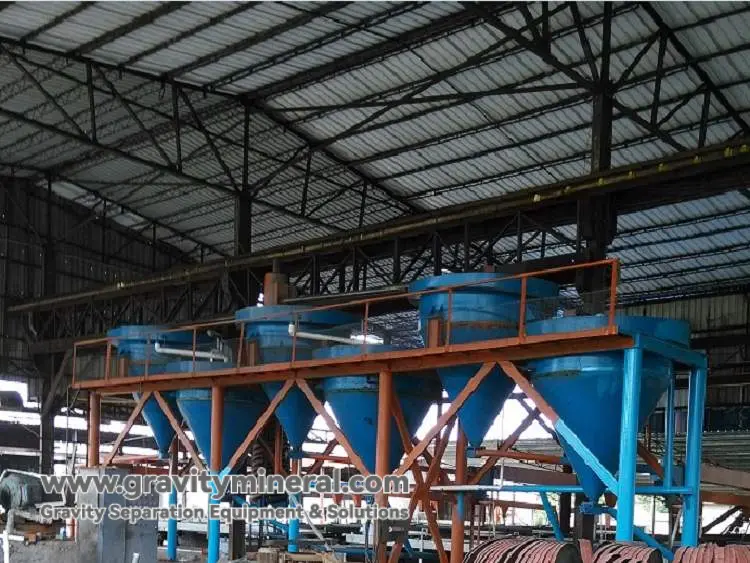
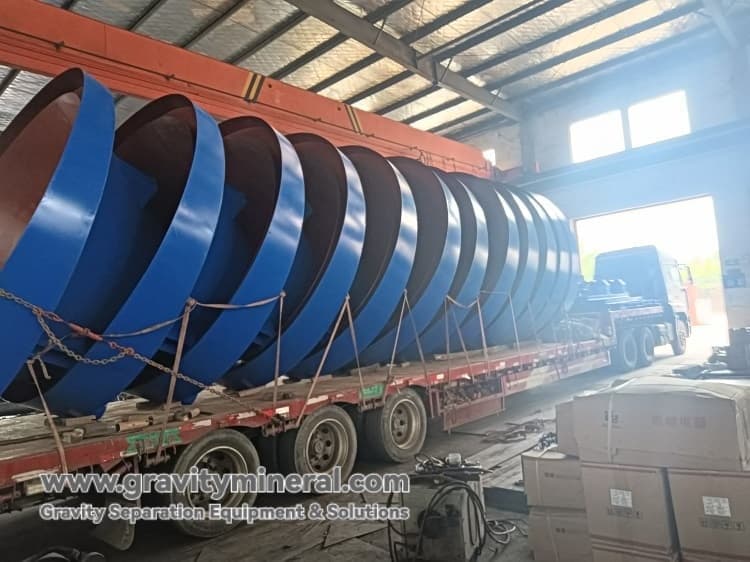
Cone classifiers installed in a mineral processing plant Hydraulic classifier slurry overflow view Multiple desliming hoppers array for large scale processing

CONTACT US

To find out more about our products and solutions, please fill out the form below and one of our experts will get back to you shortly.

Nginx server needs to configure pseudo-static rules, click View configuration method