Loading...
Menu
Trending Products
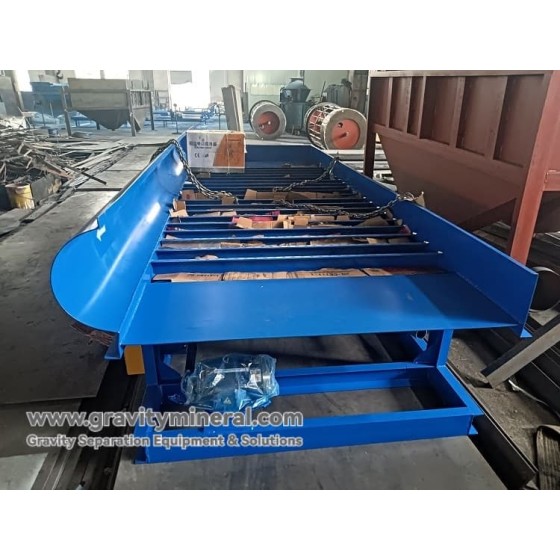
Vibrating Chute
Vibrating Chute
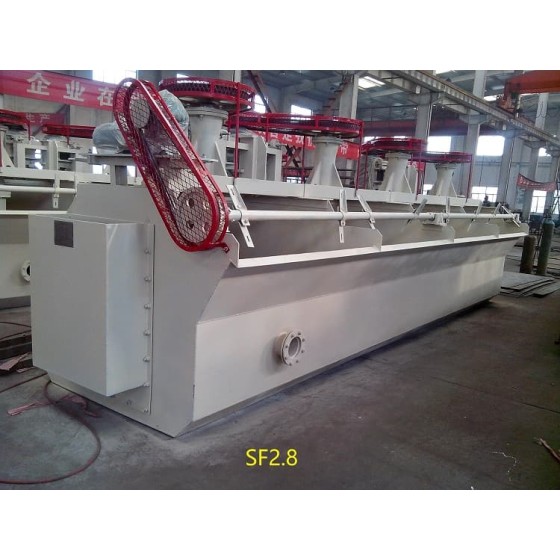
SF type flotation machine
BF type flotation machine
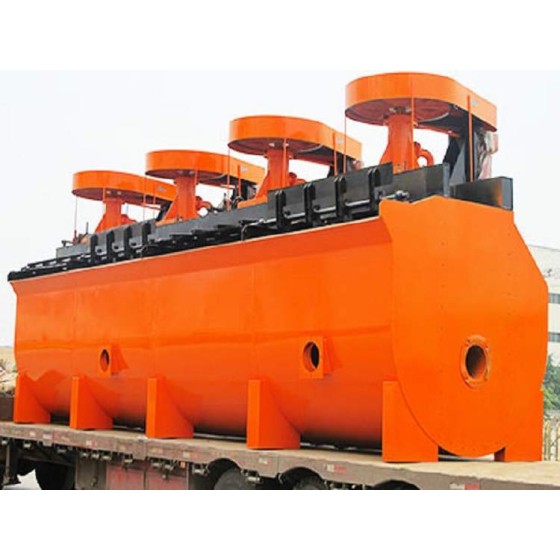
BS-K type flotation machine
XCF-KYF type flotation machine
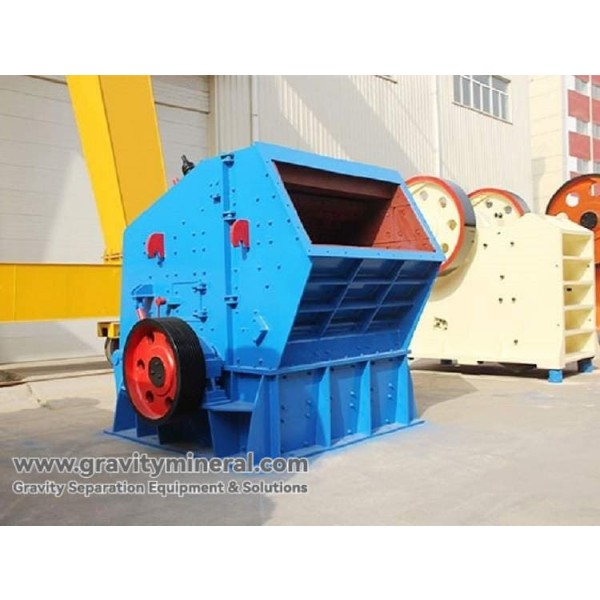
Impact Crusher

Produce perfectly cubical aggregates with our Industrial Impact Crusher (HSI). Ideal for limestone, concrete recycling, and medium-hard rock secondary crushing. Get a quote!


We provide free proposals and quotes 24/7.

Feel free to contact us via WeChat/WhatsApp: +8619914754015

Submit your inquiry, and we will provide you with a professional solution.

Model: {{ product.model }}
weight: {{ product.weight }} Kilogram

{{ variable.name }} : {{ variable.values[selectedVariantsIndex[variable_index]].name }}

{{ value.name }}
Product Inquiry

High-Efficiency Industrial Impact Crusher for Aggregate and Mining

The Impact Crusher, widely known as a Horizontal Shaft Impact (HSI) Crusher, is a new generation of high-efficiency crushing equipment. Engineered specifically for medium-hard rocks, this robust machine utilizes powerful impact energy to break down materials with a compressive strength of up to 350 MPa and a maximum feed size of 500 mm.

What sets our Industrial Impact Crusher apart from compression-style machines is its ability to produce an exceptionally high-quality, perfectly cubical end product with virtually no elongated or flaky particles. This makes it the premier choice as a Secondary Rock Crusher in aggregate production for highways, railways, and construction projects.

Whether you are processing limestone, dolomite, or utilizing it as a Concrete Crusher for recycling construction waste, our Impact Rock Crusher delivers an outstanding crushing ratio, low energy consumption, and highly adaptable operation.

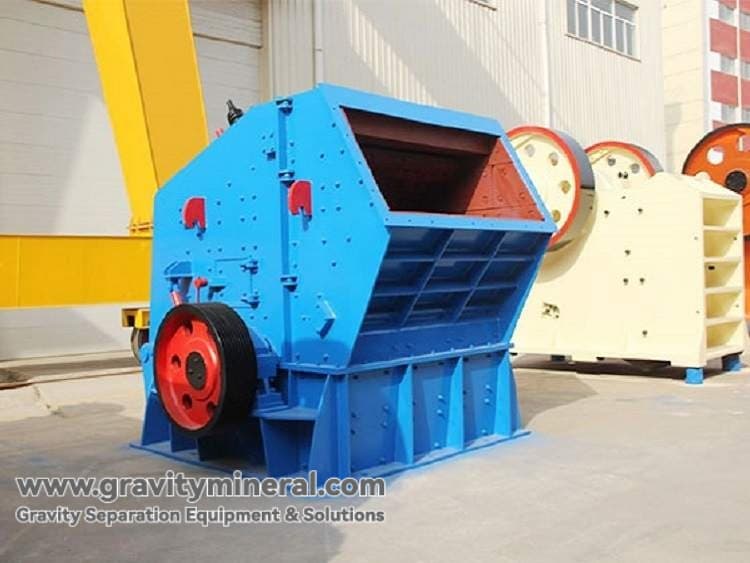
Industrial Horizontal Shaft Impact Crusher (HSI) for aggregate processing

Advantages of Our HSI Crusher

  • Exceptional Cubical Shape: The unique impact kinetics ensure the finished aggregates are highly uniform and cubical, strictly meeting the standards for high-grade concrete and asphalt mixing.
  • Heavy-Duty Rotor & High-Chrome Blow Bars: The heavy-duty rotor provides massive rotational inertia. It is equipped with advanced high-chrome alloy blow bars (hammers) that offer outstanding shock resistance and wear resistance.
  • Easy Maintenance & Keyless Connection: Featuring a keyless locking assembly and a hydraulic opening mechanism for the rear casing, replacing blow bars and impact plates is incredibly fast and safe, minimizing downtime.
  • High Crushing Ratio: Able to take large primary feed and reduce it significantly in one pass, optimizing the overall efficiency of your crushing plant.

How an Impact Crusher Works (Working Principle)

The HSI Crusher uses impact energy rather than pressure to crush rocks. This violent collision is what guarantees the excellent cubical shape of the final aggregate.

  1. Material Entry: Raw ore enters the crushing chamber and falls directly into the operating zone of the high-speed rotor.
  2. Primary Impact: The rapidly spinning rotor, armed with heavy high-chrome blow bars, strikes the falling rocks with immense force, instantly shattering them.
  3. Secondary Impact: The fragmented rocks are thrown violently upward and outward against the heavy impact aprons (breaker plates) suspended at the top of the chamber, causing them to break again.
  4. Continuous Rebound: The material rebounds from the impact plates back into the path of the spinning blow bars. This process loops repeatedly until the rocks are small enough to pass through the adjustable gap between the impact plate and the rotor.
Impact Crusher internal rotor and high-chrome blow bars

Applications of Horizontal Shaft Impact Crushers

Our impact crushers are highly versatile and widely deployed in:

  • Aggregate Production: Secondary crushing of limestone, dolomite, and granite to produce premium gravel and sand.
  • Construction Waste Recycling: Highly effective as a concrete crusher, easily separating concrete rubble from rebar.
  • Coal Mining: Processing coal gangue and raw coal with minimal fines generation.
  • Chemical & Metallurgical Plants: Crushing raw materials, slag, and industrial byproducts.

Technical Specifications

Below are the standard technical specifications for our PF Series Impact Crushers. Our engineering team can help you select the exact model to match your desired capacity.

Model Rotor Size (mm) Feed Opening (mm) Max Feed Size (mm) Capacity (t/h) Motor Power (kW) Weight (t)
PF1010 Φ1000×1050 400×1080 300 50 - 90 55 - 75 14
PF1210 Φ1250×1050 400×1080 300 70 - 130 110 - 132 17
PF1214 Φ1250×1400 400×1430 300 90 - 180 132 - 160 22
PF1315 Φ1320×1500 860×1520 350 120 - 250 180 - 260 26
PF1320 Φ1320×2000 860×2030 500 160 - 350 300 - 375 30

Frequently Asked Questions (FAQ)

Q1: What is the difference between an Impact Crusher and a Jaw Crusher?

A: A Jaw Crusher is a primary crusher that uses immense pressure to break very large, hard rocks. An Impact Crusher is typically a secondary crusher that uses high-speed impact. It produces a much better, cubical product shape compared to the rougher, sometimes elongated output of a jaw crusher.

Q2: Can the HSI Crusher handle highly abrasive, hard ores like quartz or basalt?

A: While it can crush them, processing highly abrasive hard rocks (above 350 MPa) will cause the high-chrome blow bars to wear out very quickly, increasing your OPEX. For highly abrasive hard rocks, we highly recommend using a Cone Hydraulic Crusher for the secondary crushing stage.

Q3: Is this machine suitable for recycling concrete with rebar?

A: Yes! The impact crusher is widely considered the best concrete crusher. Its large crushing chamber and impact action easily shatter the concrete and cleanly liberate the embedded steel rebar without jamming the machine.

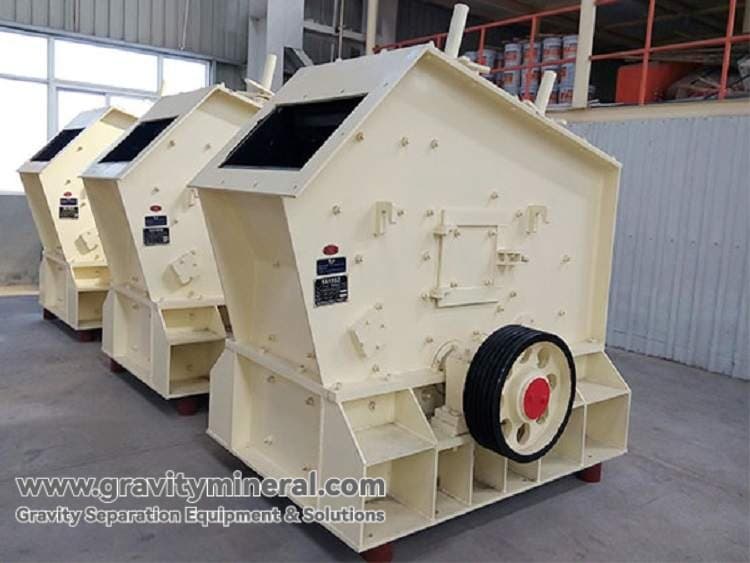
Secondary impact rock crusher deployed in an aggregate plant

CONTACT US

To find out more about our products and solutions, please fill out the form below and one of our experts will get back to you shortly.

Nginx server needs to configure pseudo-static rules, click View configuration method