- Home
-
Products
Comminution EquipmentScreening EquipmentGravity Separation EquipmentMagnetic & Flotation Equipment
-
Solutions
Gravity Separation for Hard Rock
- Rock Gold Ore Gravity Separation Solutions
- Primary Tin Ore Gravity Separation Solutions
- Chromite Ore Beneficiation Solution (Gravity + Magnetic Separation)
- Solution For Ilmenite Ore Dressing (Gravity + Magnetic Separation)
- Zirconium Ore Beneficiation Solution (Gravity + Magnetic + Electrostatic Separation)
- Wolframite Beneficiation Solutions
- Barite Gravity Separation Solutions
- Antimony Ore Beneficiation Solutions (Gravity + Flotation)
- Waste Incinerator Bottom Ash Sorting Solutions
Gravity Separation for Placer Deposits- Alluvial Gold Ore Gravity Separation Solutions
- Tin Alluvial Ore Gravity Separation Solutions
- Coastal Placer Ore Beneficiation Solution
- Integrated Beneficiation Solution for Titanium-Zirconium Placer Ore (Gravity-Magnetic-Electrostatic)
- Chrome Alluvial Ore Beneficiation Solution (Gravity + Magnetic Separation)
- Offshore Tin Placer Ore Gravity Beneficiation Solution
- Gemstone Sand Ore Gravity Separation Solutions
- Zircon Sand Beneficiation Solution (Gravity + Magnetic + Electrostatic Separation)
- Tantalum-niobium Ore Beneficiation Solution (Gravity + Magnetic Separation)
- Heavy Alluvial Ore Beneficiation Solutions (Gravity + Magnetic Separation)
- About Us
- Blog
- Contact Us


Menu
Comminution Equipment
Screening Equipment
Gravity Separation Equipment
Magnetic & Flotation Equipment
Gravity Separation for Hard Rock
- Rock Gold Ore Gravity Separation Solutions
- Primary Tin Ore Gravity Separation Solutions
- Chromite Ore Beneficiation Solution (Gravity + Magnetic Separation)
- Solution For Ilmenite Ore Dressing (Gravity + Magnetic Separation)
- Zirconium Ore Beneficiation Solution (Gravity + Magnetic + Electrostatic Separation)
- Wolframite Beneficiation Solutions
- Barite Gravity Separation Solutions
- Antimony Ore Beneficiation Solutions (Gravity + Flotation)
- Waste Incinerator Bottom Ash Sorting Solutions
Gravity Separation for Placer Deposits
- Alluvial Gold Ore Gravity Separation Solutions
- Tin Alluvial Ore Gravity Separation Solutions
- Coastal Placer Ore Beneficiation Solution
- Integrated Beneficiation Solution for Titanium-Zirconium Placer Ore (Gravity-Magnetic-Electrostatic)
- Chrome Alluvial Ore Beneficiation Solution (Gravity + Magnetic Separation)
- Offshore Tin Placer Ore Gravity Beneficiation Solution
- Gemstone Sand Ore Gravity Separation Solutions
- Zircon Sand Beneficiation Solution (Gravity + Magnetic + Electrostatic Separation)
- Tantalum-niobium Ore Beneficiation Solution (Gravity + Magnetic Separation)
- Heavy Alluvial Ore Beneficiation Solutions (Gravity + Magnetic Separation)
Trending Products
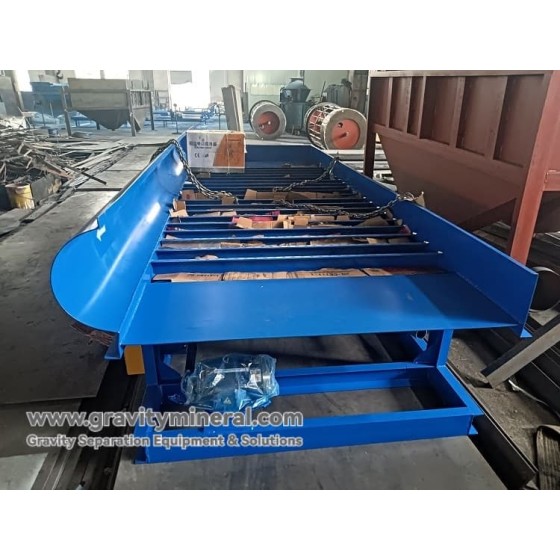
Vibrating Chute
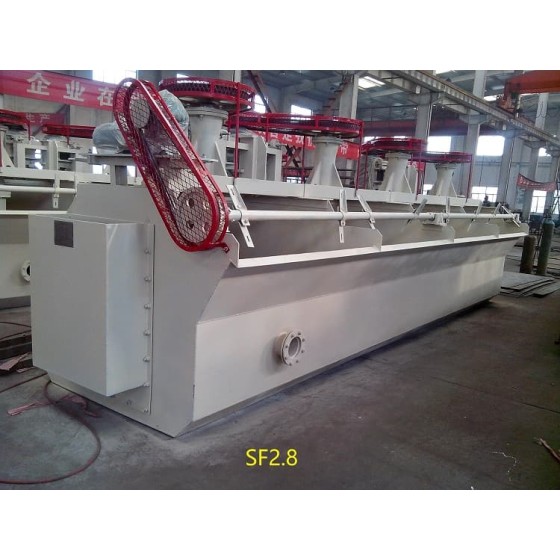
SF type flotation machine

BF type flotation machine
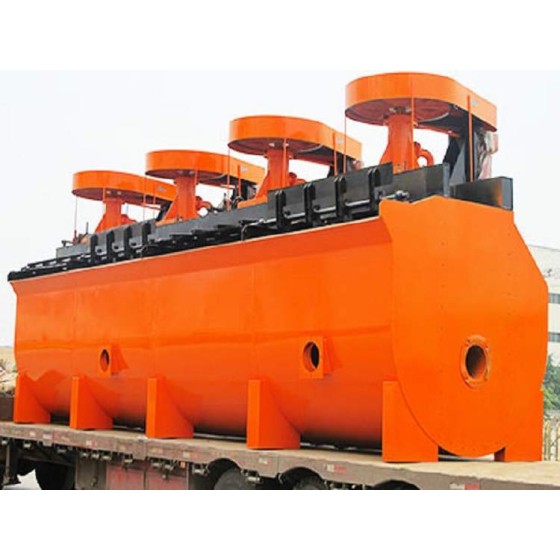
BS-K type flotation machine

XCF-KYF type flotation machine