Loading...
Menu
Trending Products
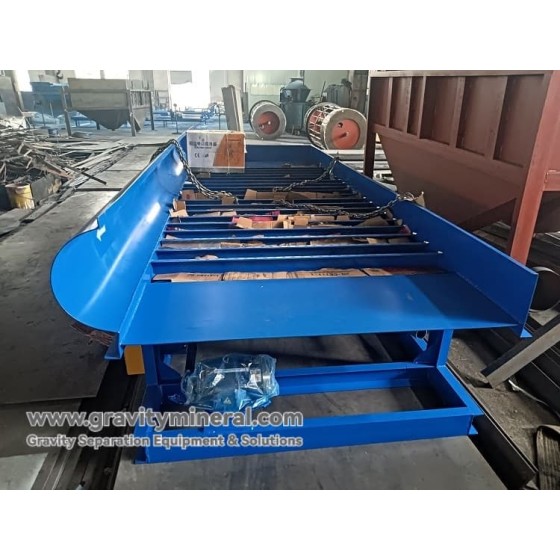
Vibrating Chute
Vibrating Chute
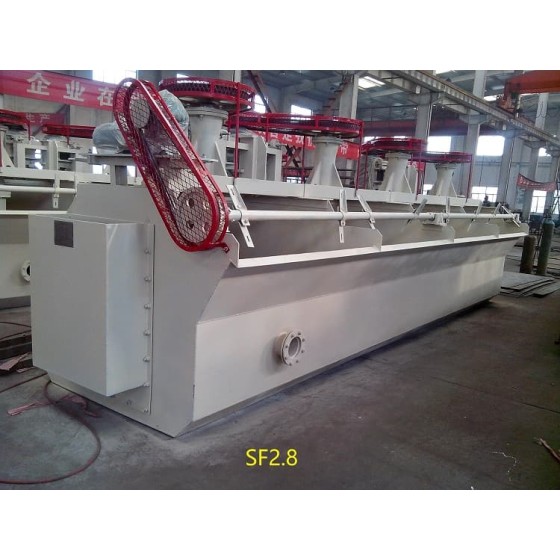
SF type flotation machine
BF type flotation machine
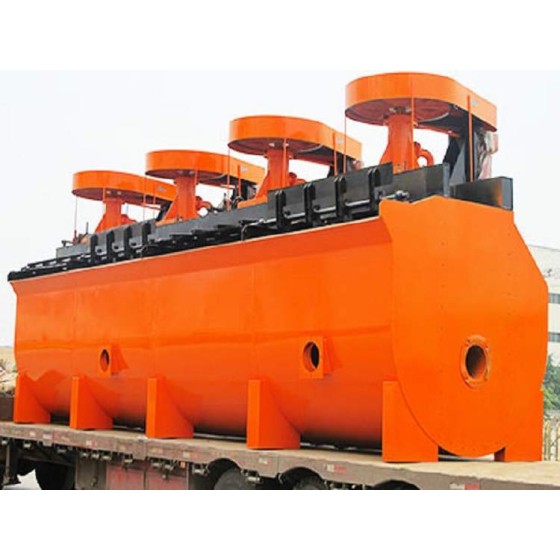
BS-K type flotation machine
XCF-KYF type flotation machine
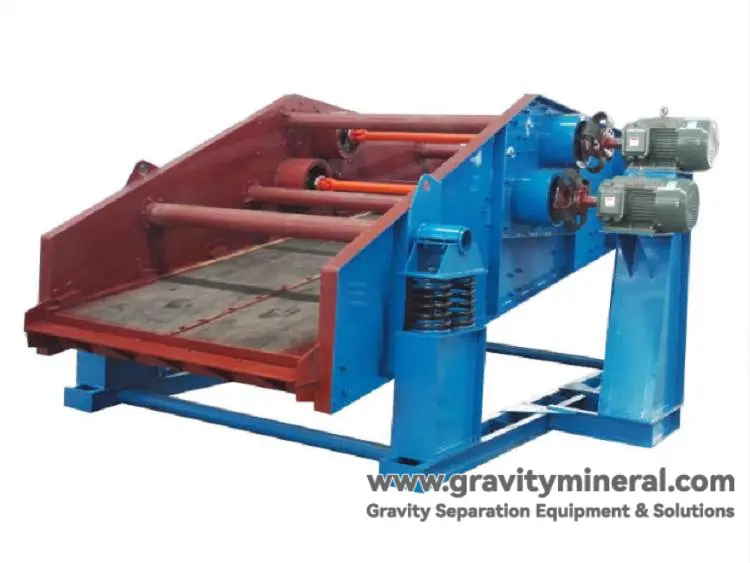
High Frequency Vibrating Screen

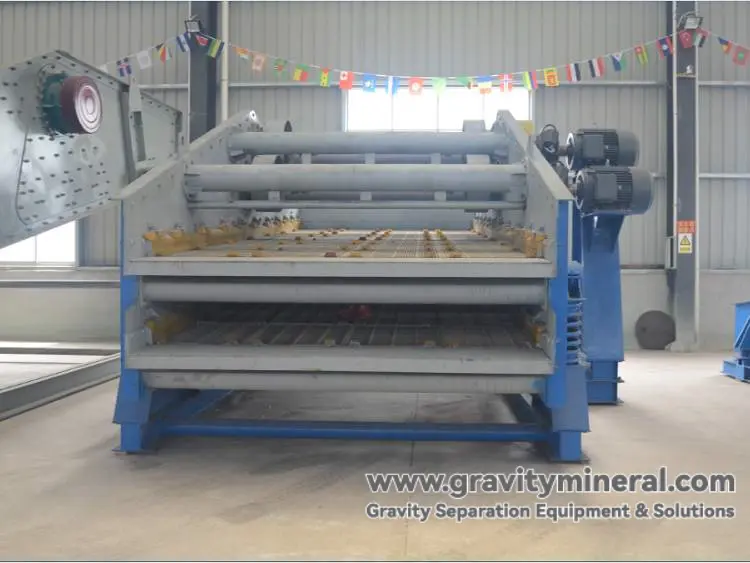
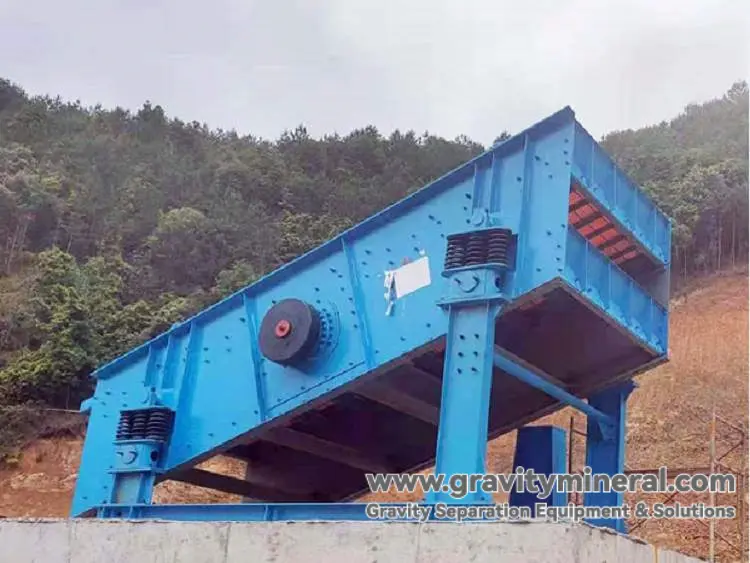
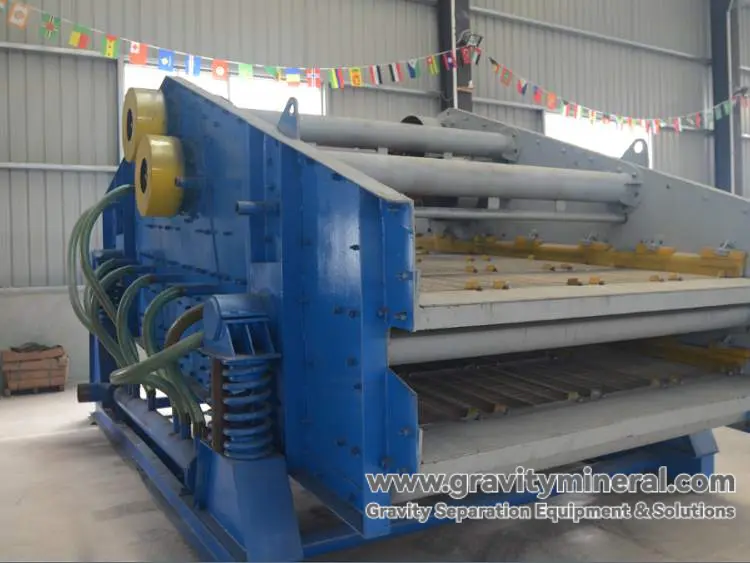
Maximize fine particle recovery and dewatering efficiency with our High Frequency Vibrating Screen. Ideal for coal slurry, tailings dry discharge, and fine ore.


We provide free proposals and quotes 24/7.

Feel free to contact us via WeChat/WhatsApp: +8619914754015

Submit your inquiry, and we will provide you with a professional solution.

Model: {{ product.model }}
weight: {{ product.weight }} Kilogram

{{ variable.name }} : {{ variable.values[selectedVariantsIndex[variable_index]].name }}

{{ value.name }}
Product Inquiry

High Frequency Vibrating Screen for Fine Ore and Dewatering

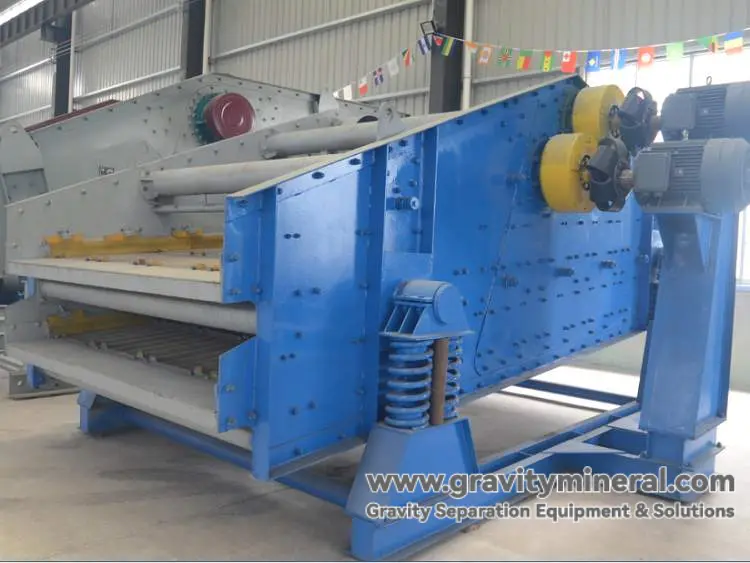
The High Frequency Vibrating Screen is specialized equipment engineered for the rigorous demands of fine ore screening, coal slurry recovery, and tailings dry discharge. Unlike standard screens, it operates on a principle of high frequency and low amplitude. This intense vibration breaks the surface tension of water within the slurry, resulting in highly effective forced dewatering and fine particle separation.

Our advanced High Frequency Dewatering Screen is available in standard top-vibration models and our patented bottom-vibration (downward vibration) models. The bottom-mounted motor design significantly lowers the center of gravity and provides unparalleled access for maintenance, making it the preferred Tailings Dewatering Screen for modern zero-discharge mineral processing plants.

Whether you are recovering -0.5mm fine coal or managing a closed-circuit grinding system, this Fine Ore Vibrating Screen drastically improves processing efficiency while recovering valuable fine minerals that would otherwise be lost to the tailings pond.

High frequency vibrating screen for tailings dewatering

Core Technology & Advantages

  • Unmatched Dewatering Power: Equipped with a self-synchronizing block eccentric shaker, it generates vibration frequencies up to 3000 times per minute. This increases dewatering efficiency by 50% compared to conventional screens, achieving a recovery rate of >90% for 0.5mm fine grains.
  • Patented Downward Vibration Structure: By placing the vibration motors beneath the screen box (exclusive design), we increase maintenance convenience by 80% while creating a more stable, anti-fatigue beam structure that triples the equipment's lifespan.
  • Intelligent VFD Control: Features Variable Frequency Drive (VFD) speed control, allowing operators to fine-tune the vibration parameters in real-time based on the moisture content and characteristics of the incoming slurry.
  • Polyurethane (PU) Screen Panels: Fitted with high-tension polyurethane screen meshes that are highly wear-resistant and specifically designed to prevent blinding (clogging) from fine, sticky particles.
High frequency dewatering screen with polyurethane mesh

How a High Frequency Sieve Works

  1. Slurry Feeding: The liquid slurry (tailings, coal water, or ground ore) is fed evenly across the width of the screen deck.
  2. High-Frequency Vibration: The dual vibration motors create intense, rapid vibrations. This rapid movement destroys the surface tension of the water surrounding the solid particles.
  3. Filter Cake Formation: As the water rapidly passes through the fine PU mesh, the heavier solid particles stay on top, forming a thick "filter cake." This cake acts as an additional filtering layer, trapping even finer particles.
  4. Discharge: The continuous vibration moves the relatively dry solid filter cake forward to the discharge lip, while the clarified water is collected below for recycling.

Typical Industry Applications

This equipment is a critical component in modern wet-processing plants:

  • Metal Mines (Tailings Dry Discharge): Dewatering waste slurry so the dry tailings can be stacked safely, avoiding the environmental risks of wet tailings ponds.
  • Coal Preparation Plants: Recovering ultra-fine coal and dewatering coal slurry to maximize yield.
  • Grinding Circuits: Acting as a classifier in closed-circuit grinding to ensure only strictly sized fine ore passes to the Flotation Machines.
  • Environmental Engineering: Deep dewatering of municipal or industrial sludge.

Technical Parameters (GPS Series)

Below are the standard specifications for our GPS series high-frequency screens. Note: Custom sizing and screen mesh configurations are available upon request.

Model Decks Sieve Size (mm) Max Feed (mm) Capacity (t/h) Motor Power (kW)
GPS1025 1 0.1 - 0.5 < 50 15 3 × 2
GPS1230 1 0.1 - 0.5 < 50 20 3 × 2
2GPS1230 2 0.1 - 0.5 < 50 25 3 × 2
GPS1236 1 0.1 - 0.5 < 50 25 5.5 × 2
2GPS1260 2 0.1 - 0.5 < 50 60 5.5 × 2
GPS1431 1 0.1 - 0.5 < 50 30 5.5 × 2
GPS1531 1 0.1 - 0.5 < 50 35 5.5 × 2
GPS1830 1 0.1 - 0.5 < 50 45 5.5 × 2

Frequently Asked Questions (FAQ)

Q1: What is the main difference between a High Frequency Screen and a Circular Vibrating Screen?

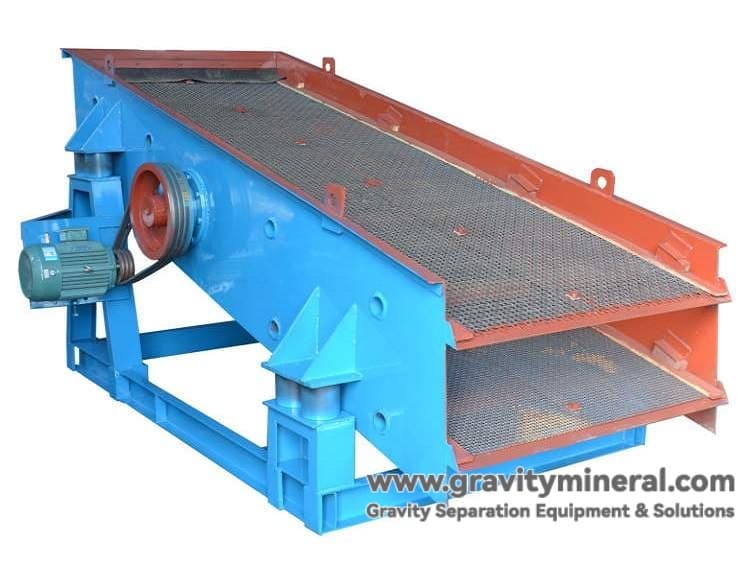
A: A Circular Vibrating Screen uses a low frequency but a large amplitude (big jumps) to throw and size coarse aggregates. A High Frequency Screen uses a very fast frequency but tiny amplitude (small, rapid buzz). This is specifically designed to break water tension for dewatering fine slurries without shaking the fine particles to pieces.

Q2: What does "tailings dry discharge" mean?

A: Traditionally, liquid waste (tailings) from a mine is pumped into a massive, environmentally hazardous wet pond. High frequency dewatering screens remove so much water from the slurry that the tailings become a damp, solid stackable sand (dry discharge). The water is recycled, and the dry sand is safely stacked or sold as construction material.

Tailings dewatering screen installed at a mineral processing plant Coal slurry high frequency vibrating screen Fine ore dewatering sieve factory assembly

CONTACT US

To find out more about our products and solutions, please fill out the form below and one of our experts will get back to you shortly.

Nginx server needs to configure pseudo-static rules, click View configuration method